 EN
EN

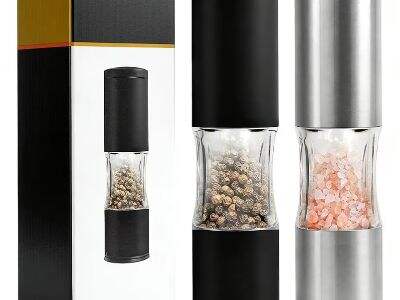
When it comes to kitchen stuff, there is two main kinds: OEM (Original Equipment Maker) and private label. Both give special advantages and some problems for companies that sell kitchen items. Choosing one over the other can impact the quality, branding, and price. For our firm, HH Salt and Pepper Grinder, knowing these things is important to pick right. We like to explain the basics so you can select what works for you.
What Are the Key Differences Between OEM and Private Label Kitchenware?
OEM kitchenware mean a firm makes items based on another business's ideas and specs. So if you need a specific pot or pan, you can team up with a maker like HH to build it just like you want. The OEM side handles the making part, and the brand adds their own tag on it. This often results in good quality items because the brand can request exact materials and styles. But it usually needs more money at first since you got to buy a big amount.
On the other side, private label kitchenware is easier. This is when a company gets products from a maker and puts their label on them. The items are mostly pre-made, so the company don't have to deal with design or production. That's good for small shops or ones wanting to jump into kitchen market fast. However, the quality might change a lot as they're not made special. Some firms like HH has a big selection of private label stuff, which helps businesses pick without too much risk.
Another thing is control on branding. With OEM, the brand gets more say on how the product looks and feels. They can add unique parts that help stand out in the shop. In contrast, private label items might seem like others, making it tough to be different. This matters for companies aiming strong image in kitchenware field.
In short, the big differences are about custom work, cost, and branding. OEM gives more say and maybe better quality but needs larger orders. Private label is simpler and quicker but can lack specialness. Getting these can help firms choose what fits them.
Where to Find High-Quality OEM Kitchenware for Wholesale Buy?
Finding good OEM kitchenware can be tricky, but there are ways to do it. First, research makers that focus on kitchen goods. Firms like HH often have good name for making sturdy and lasting kitchenware. You can check online lists or sites that show makers. Many solid ones will display their items and old work, so you see what they do.
So another way is going to trade shows or business events. There you meet makers in person, ask stuff, and look at samples. This face-to-face talk helps judge the product quality. You might spot new ideas or special changes that spark your business.
Networking with other owners can give tips too. They got experience with various makers and might suggest good ones for quality. Join groups or online talks for kitchen business to connect. This leads to useful advice and maybe partners.
When you contact makers, ask on their making steps, materials, and check measures. A fine OEM partner will be open about how they work and standards they hit. Always get samples before big order. That way, you make sure things match what you expect.
Finding high-quality OEM kitchenware need research, talking to people, and thinking careful. By doing these, businesses can pick smart and find right OEM team to help in kitchen market. At HH, we commit to help your path and give best choices for your needs.
When picking between OEM and private label for your kitchen brand, think hard on what you need.
OEM mean you work with a firm to make products with your name. This can be nice because you design them to match your thoughts exact. For say, if you have a brand HH salt and pepper grinders, you might want a special cooking pot with unique bits. You tell the OEM what you like, and they build it. So your items can differ from rest.
The other hand, private label mean buy already made products and add your name. This is faster and simple as you skip starting from nothing. Like if HH pick private label, you find popular pots and pans and sell under your tag. This let you start selling quick, but you got less control on looks and function.
When choosing, look at your brand, customers, and aims. Ask: Do I want unique thing for HH, or just get on market soon? Also think money you can spend. Custom ones cost more, but they might bring bigger gains later. Private label cheaper first but not so special.
Buyers face some usual problems with both OEM and private label kitchenware. For OEM, big issue is talking clear. If you not say what you want good, the maker might not do it right. This cause upset and waits. For example, if HH order mixing bowls but maker get size wrong, it make big trouble. Another is quality check. Sometimes items don't meet what you hope, hurting your brand name.
With private label, buyers might have hard time find right supplier.
Not all give quality or style for your brand. If HH go private label, ensure products safe and strong. Also competition problem. As many brands use same private label, hard to stand out. HH need creative market ways so folks pick their kitchenware over others. Both have challenges, but knowing them help better picks for your brand.
To choose best between OEM and private label kitchenware, watch market trends. For example, if people buy more green kitchenware, HH might think make products from lasting materials via OEM. This way, HH attract buyers who care environment, a growing thing. On other side, if some style get popular, HH could seek private label that fits that.
Keep up with customer wants to decide path. Read news, follow social, see what brands do for ideas. Smart to get customer say too. If HH learn folks like certain parts, it guide to make via OEM or find similar private label. Overall, knowing market help HH salt shaker and pepper grinder pick kitchenware that draws customers and keeps them glad.